- Details
- Geschrieben von Super User
- Kategorie: New Activities
- Zugriffe: 71
Invitation for the online DIKseminar
“ The Future of TRANSPORT in the Euregion Maas-Rhine ”
Short summary
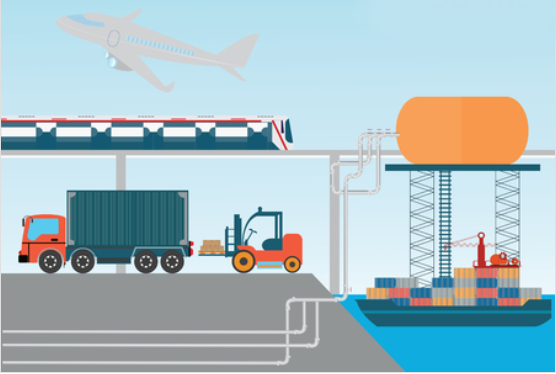
Hydrogen, trains, boats.... They are all technological solutions that could contribute to the future of transport or present innovation and trends that could change the way in which we are used to see certain technologies. Each country is different in terms of laws, regulations, infrastructures, available resources and knowledge. As a result, countries in the Euregion Maas-Rhine are all using different technological solutions within their specific governmental climate. This event aims at providing you an overview of the innovations and trends in the transport sector that will be used in the future for Germany, Belgium and the Netherlands.
Goal: connecting international engineers and interestees of sustainable transport
When: Thursday 14 October 2021
Where: Online
Moderator: ir Dieudonnée Cobben 
15:45 Login of the participants
16:00 - Welcome: ir Dieudonnée Cobben
16:05 – 1st speaker:
MARTENS Adwin – Managing Director –
Title: The role of hydrogen in the future of transport
16:25 - 2nd speaker:
MELTZER Katharina – Project Manager Hydrogen Trains – Siemens
Title: Hydrogen as energy carrier of the future: Project H2goesrail
16:45 PAUSE
16:55 – 3rd speaker:
THIEBAUT Hélène – Communication Manager – Port of Liège
Title: The future of ports in a changing world
17:15 – 4th speaker:
DEERENBERG Michiel – Program Manager Innovation – ProRail
Title: An innovative track to sustainable rail transport
Abstract: Given the urgency of the climate problem, the Dutch rail sector aims to achieve full carbon-neutrality (across the entire rail chain). In 2013, the carbon footprint from operating trains in the Netherlands was around 800 kilotonnes. Since then, the Dutch railway sector has launched a drastic reduction effort and since 2017, all electric trains in the Netherlands are powered by emission-free wind energy. The result has been an annual carbon footprint of just over 10% (85 kilotonnes). The remaining footprint comes from diesel trains. Until recently, conventional electrification seemed to be the only way to achieve sustainable rail transport. ProRail notes that the development of alternative train drive technologies is extremely rapid. More knowledge of and experience with new, sustainable technologies are needed to fully consider them in investment decisions. By building a knowledge network and cooperation ProRail has turned its ambition into an action plan.
17:35 – Wrapping Up ir Dieudonnée Cobben
17:45 End of the seminar
LANGUAGE: all presentations will be held in English
SPEECH: 15 min – QUESTIONS: 5 min
REGISTRATION
Send an e-mail with your Name, Address, Phone Number and Name of your (Engineering) Organisation to:
- VDI: Diese E-Mail-Adresse ist vor Spambots geschützt! Zur Anzeige muss JavaScript eingeschaltet sein!
- VDE: Diese E-Mail-Adresse ist vor Spambots geschützt! Zur Anzeige muss JavaScript eingeschaltet sein!
- KIVI: Diese E-Mail-Adresse ist vor Spambots geschützt! Zur Anzeige muss JavaScript eingeschaltet sein!
- VIZL: Diese E-Mail-Adresse ist vor Spambots geschützt! Zur Anzeige muss JavaScript eingeschaltet sein!
- AILg: Diese E-Mail-Adresse ist vor Spambots geschützt! Zur Anzeige muss JavaScript eingeschaltet sein!
- IE-net: Diese E-Mail-Adresse ist vor Spambots geschützt! Zur Anzeige muss JavaScript eingeschaltet sein!
- all people not directly related to an engineering association: Diese E-Mail-Adresse ist vor Spambots geschützt! Zur Anzeige muss JavaScript eingeschaltet sein!
Overvieuw speakers
- Martens Adwin – Managing Director – Waterstofnet.eu

X
X
X
X
X
- Meltzer Katharina – Project Manager Hydrogen Trains - Siemens

X
X
X
X
X
- Thiebaut Hélène – Communication Manager – Port of Liège

X
X
X
X
X
- Deerenberg Michiel – Program Manager Innovation – ProRail

Title: An innovative track to sustainable rail transport.
Abstract: Given the urgency of the climate problem, the Dutch rail sector aims to achieve full carbon-neutrality (across the entire rail chain). In 2013, the carbon footprint from operating trains in the Netherlands was around 800 kilotonnes. Since then, the Dutch railway sector has launched a drastic reduction effort and since 2017, all electric trains in the Netherlands are powered by emission-free wind energy. The result has been an annual carbon footprint of just over 10% (85 kilotonnes). The remaining footprint comes from diesel trains. Until recently, conventional electrification seemed to be the only way to achieve sustainable rail transport. ProRail notes that the development of alternative train drive technologies is extremely rapid. More knowledge of and experience with new, sustainable technologies are needed to fully consider them in investment decisions. By building a knowledge network and cooperation ProRail has turned its ambition into an action plan.